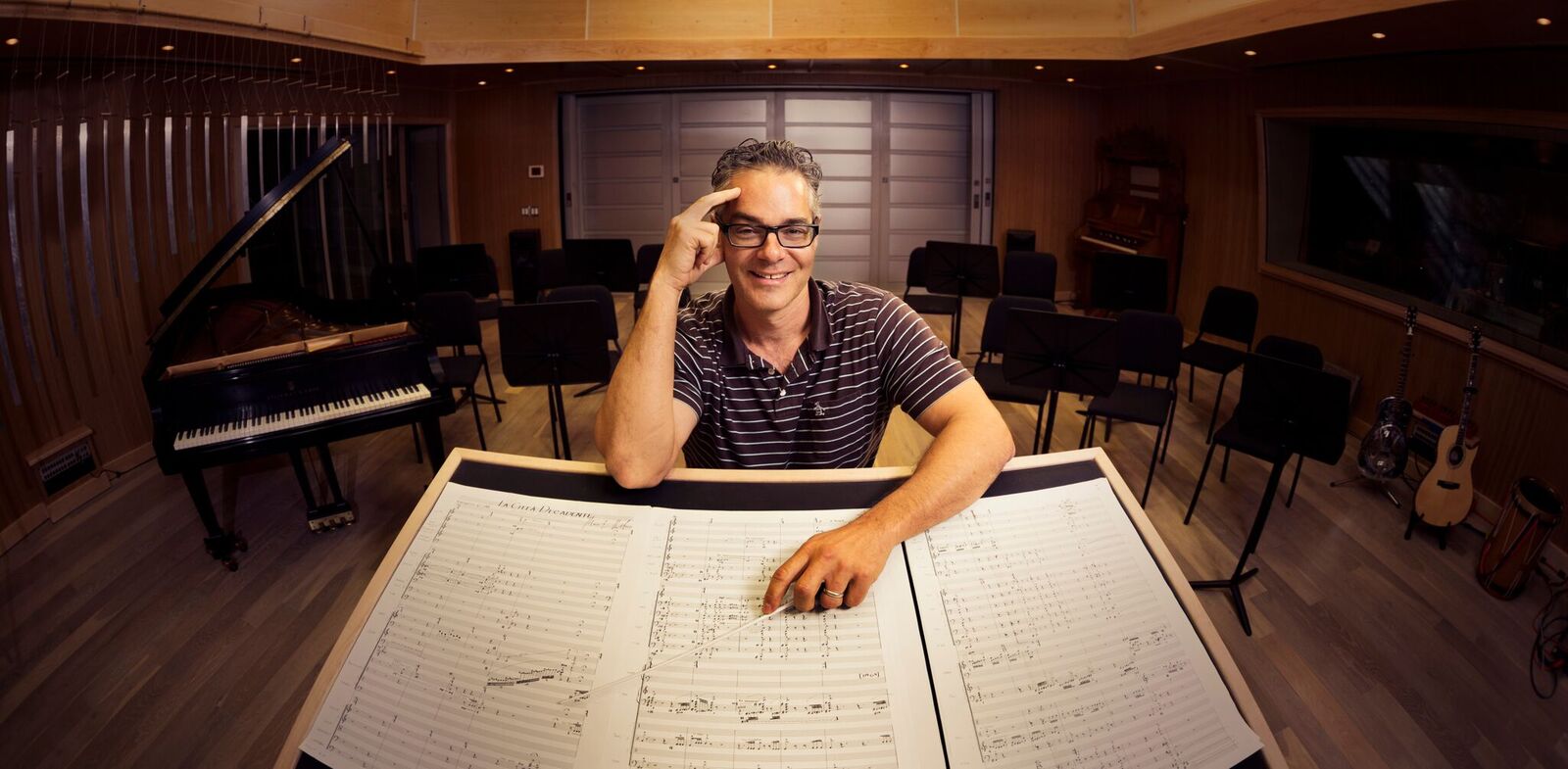
Marco Beltrami is a composer whose work consistently balances raw emotional force with sharp stylistic control. Best known for his contributions to thrillers, horror, and character-driven action films, Beltrami has built a reputation for music that feels visceral without becoming overbearing. His scores rarely aim for grandiosity; instead, they focus on psychological tension, restraint, and narrative clarity.
Unlike many contemporary composers who rely heavily on repetition or minimalism, Beltrami often works with unconventional instrumentation, irregular rhythms, and sudden shifts in tone. This approach allows his music to stay unpredictable — an essential quality in genres where atmosphere and suspense are critical.
A composer shaped by genre cinema
Beltrami’s background in genre filmmaking strongly influences his musical language. He understands how sound can manipulate perception, guiding the audience’s emotional response without drawing attention to itself. His music often sits between melody and noise, using texture and dissonance to enhance unease or internal conflict.
Rather than overwhelming scenes with continuous scoring, Beltrami knows when to pull back. Silence and restraint play just as important a role in his work as orchestration, giving his music a distinct psychological edge.
Key films and soundtracks
Marco Beltrami’s filmography spans a wide range of styles, but several projects stand out as defining examples of his approach:
— Renfield (2023) — a darkly comic horror film where the score balances gothic tension with bursts of energy, reinforcing the film’s playful yet violent tone.
— Scary Stories to Tell in the Dark (2019) — a suspense-driven score built on atmosphere and dread, using subtle textures to sustain unease.
— Logan (2017) — one of Beltrami’s most acclaimed works, featuring a restrained, emotionally grounded score that avoids traditional superhero bombast.
— World War Z (2013) — a tense, pulse-driven soundtrack that emphasizes urgency and large-scale chaos while maintaining psychological pressure.
— Scream 4 (2011) — a return to the franchise’s roots, combining sharp rhythmic cues with classic horror tension and modern pacing.
The Beltrami sound
Several characteristics define Marco Beltrami’s compositional style:
- frequent use of unconventional instruments and extended techniques
- emphasis on texture, tension, and psychological atmosphere
- selective, purposeful use of melody
- dynamic shifts between restraint and aggression
- music that serves character and mood over spectacle
This makes his scores particularly effective in films that rely on internal conflict, moral ambiguity, or sustained suspense.
Why Marco Beltrami matters
Marco Beltrami represents a vital counterpoint in modern film music. At a time when many scores aim for sheer scale, his work reminds audiences that intensity can come from subtlety and control. He proves that film music does not need to dominate a scene to define it.
His contributions to films like Logan have helped reshape expectations for genre soundtracks, showing that even superhero and horror films can benefit from emotionally grounded, restrained musical storytelling.
Beltrami’s influence continues to grow as filmmakers seek composers who understand not just how films look, but how they feel. His music remains a powerful example of how sound can deepen narrative without ever becoming intrusive.