“All Star” is one of those rare tracks that didn’t simply belong to its era — it outlived it and evolved into a full-fledged cultural symbol.
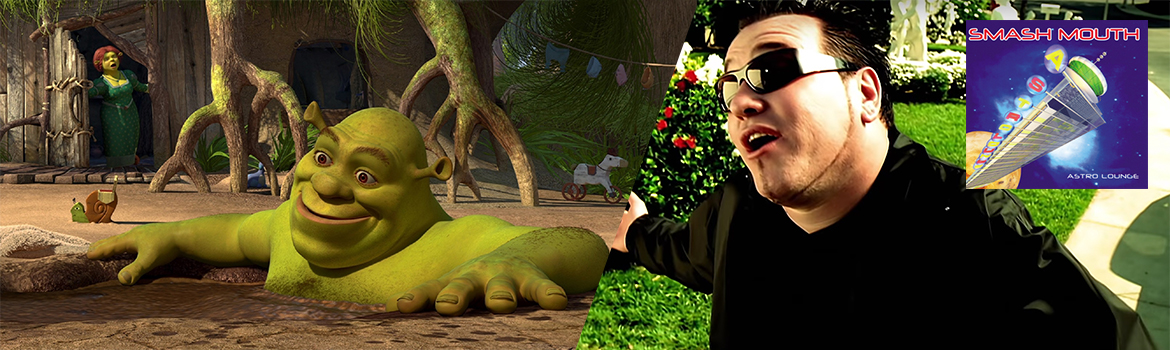
Released in May 1999 by American rock band Smash Mouth, the song appeared on their second studio album Astro Lounge. It was written by frontman Steve Harwell together with producer Eric Valentine, whose production helped craft the track’s bright, polished, and instantly recognizable sound.
Musically, “All Star” blends pop rock energy with alternative influences and subtle ska-inspired rhythms. Yet the real power of the song lies in its tone — confident, playful, and slightly ironic.
Its now-iconic lyrics about “getting your game on” and stepping into the spotlight felt like an open invitation to embrace individuality. At a time when mainstream rock was transitioning away from the darker aesthetics of grunge toward a more accessible and radio-friendly direction, “All Star” captured that cultural shift perfectly.
Commercially, the single became a major success. It climbed to No. 4 on the Billboard Hot 100, received heavy radio rotation across the United States, and earned a Grammy nomination for Best Pop Performance by a Duo or Group with Vocals.

But chart numbers only tell part of the story.
The song’s true immortality came through cinema.
In 1999, the track was featured in the superhero comedy Mystery Men. However, it was the 2001 animated blockbuster Shrek that cemented its legendary status. The association with DreamWorks’ irreverent green ogre sparked a second wave of global popularity and permanently embedded the track into pop culture history.
Over time, “All Star” became a staple in comedies, television series, and eventually internet culture — transforming into one of the most recognizable songs of the late twentieth century.
What makes its journey remarkable is this:
It evolved from radio hit to cinematic anthem to meme icon — and somehow never lost its infectious energy.
Films and Animated Features
Shrek (2001) — The song plays during the opening sequence as Shrek goes about his solitary swamp routine. The upbeat, tongue-in-cheek tone of “All Star” perfectly establishes the film’s playful and self-aware style. This moment permanently linked the song to the franchise and introduced it to a new generation of viewers.
Mystery Men (1999) — Featured in the superhero satire, the track reinforces the film’s comedic and slightly absurd tone, aligning perfectly with its offbeat energy.
Animated and Comedy Series
Family Guy (1999– ) — The song appears in a comedic context, often leaning into its overexposed pop-culture status for humorous effect.
American Dad! (2005– ) — Used satirically, the track enhances the exaggerated tone of the show.
The Simpsons (1989– ) — Referenced as part of a broader pop-culture callback to late-1990s music.
Saturday Night Live (1975– ) — Incorporated into sketches that play on nostalgia and the hyper-recognizable nature of the track.
Modern Television Appearances
Brooklyn Nine-Nine (2013–2021) — The song is used in a comedic moment, where its instantly recognizable intro amplifies the humor of the scene.
American Housewife (2016– ) — Featured as a nostalgic callback to turn-of-the-millennium pop culture.
Mary + Jane (2016) — The track adds a light, ironic energy to one of the series’ episodes.
Big Mouth (2017– ) — Used in a deliberately humorous context, aligning with the show’s exaggerated and often absurd tone.
Schooled (2019) — The song supports the late-’90s atmosphere central to the show’s setting.
Good Trouble (2019– ) — Appears in an episode to underscore an energetic or emotionally charged moment.
Pán profesor (2020– ) — The track contributes a recognizable pop-cultural accent within the series.
Laid (2024) — Featured as a vibrant musical highlight within the project.
I Love LA (2025) — Included in the soundtrack, reinforcing the upbeat mood of the production.
Dexter: Resurrection (2025) — Used in striking contrast to the darker tone of the series, demonstrating how the song’s brightness can create powerful juxtaposition.
Conclusion
“All Star” is far more than a late-’90s pop-rock hit — it is a cultural artifact that continues to evolve. What started as a confident, radio-friendly anthem quickly became inseparable from Shrek, and later transformed into a staple of internet humor, memes, and remix culture.
Its enduring appeal lies in its versatility. The song works as satire, as genuine motivation, and as nostalgic comfort. Filmmakers and showrunners continue to use it because it carries instant recognition and emotional clarity. Within seconds, it can signal humor, irony, triumph, or self-awareness.
Few tracks from the 1990s have maintained such lasting cultural relevance. Yet every time those opening words — “Somebody once told me…” — are heard, the reaction is almost universal.
“All Star” is no longer just a song; it is a shared memory, woven into the fabric of modern pop culture.