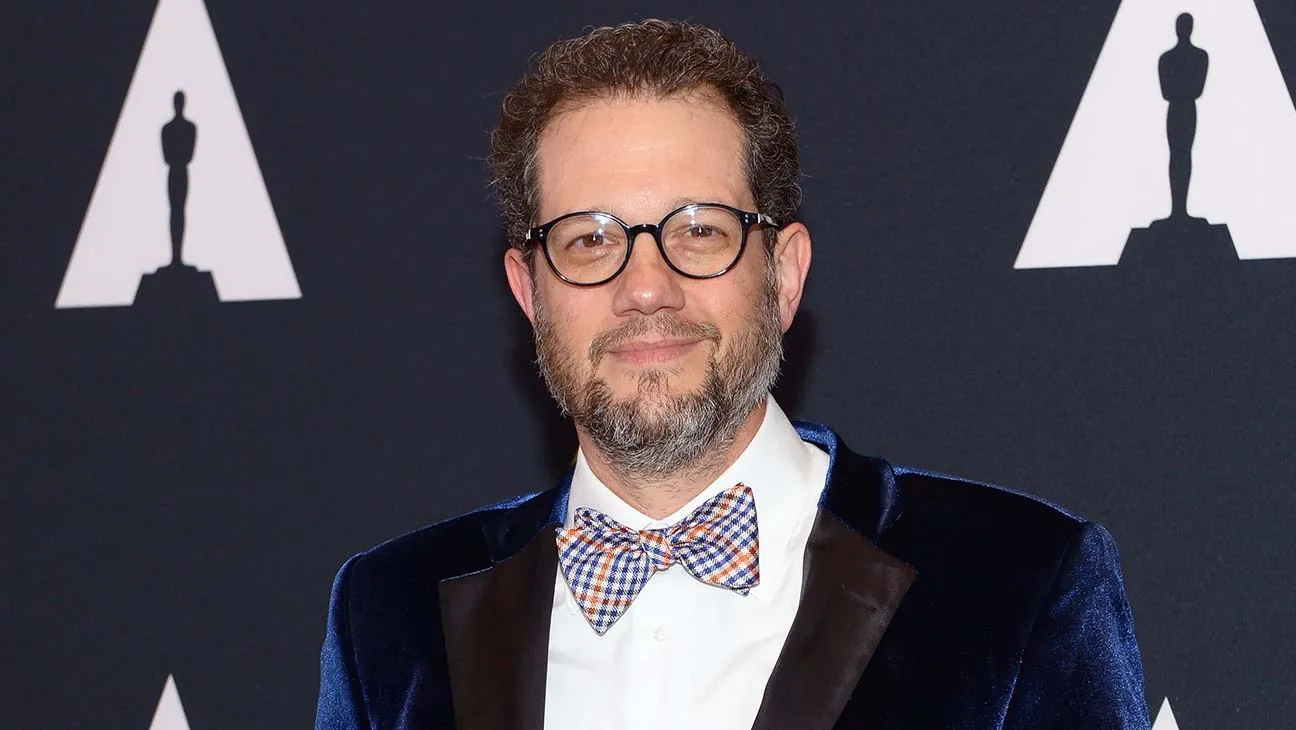
Michael Giacchino is one of the few contemporary film composers who successfully bridges classic Hollywood orchestration with modern cinematic storytelling. His music is instantly recognizable for its strong thematic writing, emotional clarity, and ability to adapt across genres — from animated films and superhero blockbusters to intimate dramas and horror.
Unlike many composers who rely heavily on sound design and atmosphere, Giacchino remains deeply committed to melody and character-driven themes, a trait that has defined his career from the very beginning.
Early Career and Breakthrough
Giacchino first gained wide recognition through his work in video games, most notably Medal of Honor (1999), where he demonstrated a rare ability to treat game scores with the same narrative seriousness as film music. This approach quickly led him to television and cinema.
His major breakthrough came with Lost (2004–2010), where his emotionally layered themes became an essential part of the show’s identity. The score earned him widespread critical acclaim and established him as a composer capable of long-form storytelling.
Defining Film Works
Lost (2004–2010)
Giacchino’s work on Lost marked a turning point in television scoring. His themes evolved alongside the characters over multiple seasons, giving the series a strong emotional backbone. The score balanced mystery, drama, and human vulnerability, influencing how long-form television music is written and remembered today.
Werewolf by Night (2022)
One of Giacchino’s most stylistically bold works, Werewolf by Night pays homage to classic 1930s–1940s horror cinema. The score relies on expressive orchestration, sharp dynamics, and gothic textures, proving Giacchino’s versatility and deep understanding of film history.
Up (2009)
One of the most iconic scores in Michael Giacchino’s career. Up is built around simple but emotionally precise themes that immediately connect the audience to the characters. The cue “Married Life” became a rare example of an instrumental film theme achieving widespread cultural recognition. The score earned Giacchino the Academy Award, firmly establishing him as one of the leading composers of his generation.
The Batman (2022)
For The Batman, Giacchino composed a dark, weight-driven score centered on repetition and mood rather than heroic bombast. The main theme reflects Bruce Wayne’s internal conflict and isolation, reinforcing the film’s noir-inspired tone. The music plays a crucial role in shaping the atmosphere of Gotham, emphasizing inevitability, tension, and psychological depth.
Rogue One: A Star Wars Story (2016)
Rogue One became one of the most challenging projects in Michael Giacchino’s career. He was brought in late in production and had only a few weeks to compose the entire score, while also respecting John Williams’ legendary musical legacy.
Additional Key Films
Beyond the titles above, Giacchino’s filmography includes some of the most recognizable scores of the last two decades:
Star Trek (2009) and Star Trek Into Darkness (2013)
Doctor Strange (2016) — psychedelic, rhythm-driven score blending orchestral writing with experimental textures to reflect the character’s altered perception of reality
Spider-Man: Homecoming (2017) — youthful, energetic superhero score that balances classic Marvel themes with a lighter, character-focused tone
Zootopia (2016) — colorful and flexible score combining orchestral music with jazz and pop influences to support both comedy and social commentary
The Fantastic Four: First Steps (2025) — ensemble-driven superhero score focused on family dynamics and cosmic scale within the Marvel universe
IF (Imaginary Friends) (2024) — emotionally warm and whimsical score centered on imagination, childhood, and memory
Each of these projects highlights Giacchino’s ability to create strong musical identities that serve character, world-building, and emotion simultaneously.
In Conclusion
Michael Giacchino’s career illustrates how modern film music can remain thematic, emotional, and character-driven without losing relevance in blockbuster cinema. From the warmth and innocence of Up (2009) to the gothic stylization of Werewolf by Night (2022), from the playful energy of Zootopia (2016) to the darker war tone of Rogue One: A Star Wars Story (2016), his work consistently adapts to the needs of the story.
Rather than relying on sound design trends or minimalism alone, Giacchino continues the tradition of melody-led film scoring, crafting themes that audiences remember long after the film ends. His ability to move fluidly between animation, horror, science fiction, and superhero cinema has made him one of the most reliable and respected composers of his generation.
Today, Michael Giacchino stands as a defining voice in contemporary film music — a composer whose scores do not merely accompany images, but actively shape how stories are felt and remembered.